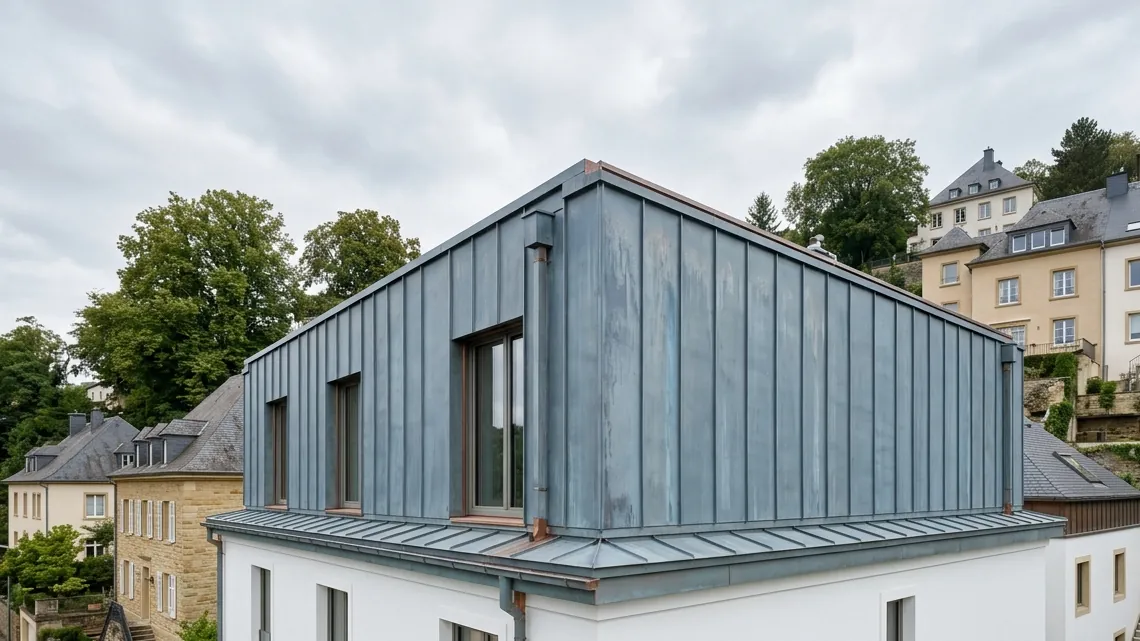
Standing seam
The traditional system. Continuous zinc strips, seamed with a seaming tool. Uniform appearance, perfect weathertightness. Ideal for simple volumes and clean-lined architecture. Seam height 25 or 32 mm.

Standing seam, architectural cassettes, pre-weathered zinc, natural copper. Living materials that develop a unique patina over time. QUASART installs and specifies in Luxembourg, Moselle, Meurthe-et-Moselle and the Belgian province of Luxembourg.
Zinc and copper are living materials. Unlike synthetic claddings, they develop a natural patina over time — a protective layer of zinc carbonate or verdigris — that gives them a unique depth and character. A zinc facade installed today will look different in ten years, and more beautiful.
QUASART, based in Crauthem (L-3327), works with the major European manufacturers (VMZINC, Rheinzink, KME for copper) and masters the three installation systems: traditional standing seam, large-format cassettes and recessed-joint planks. Areas of operation: Luxembourg, Moselle (Metz, Thionville), Meurthe-et-Moselle and the Belgian province of Luxembourg (Arlon).
Each metal has its own character, patina and way of ageing. The choice depends on the aesthetic ambition and the budget.
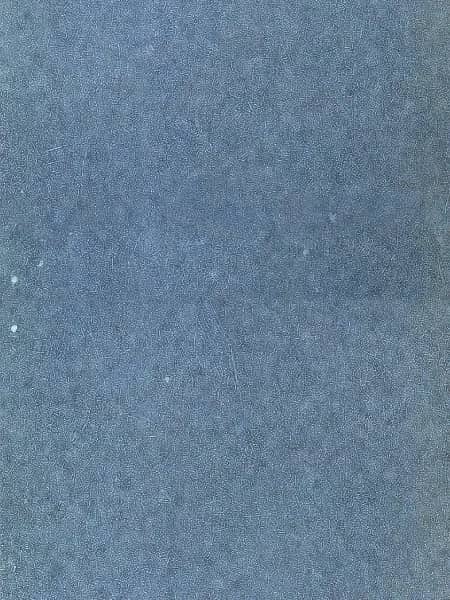
Bright metallic finish when installed, naturally weathering to a matt blue-grey within a few months. The zinc carbonate patina is self-protecting and self-healing. The most widely installed zinc in the world.
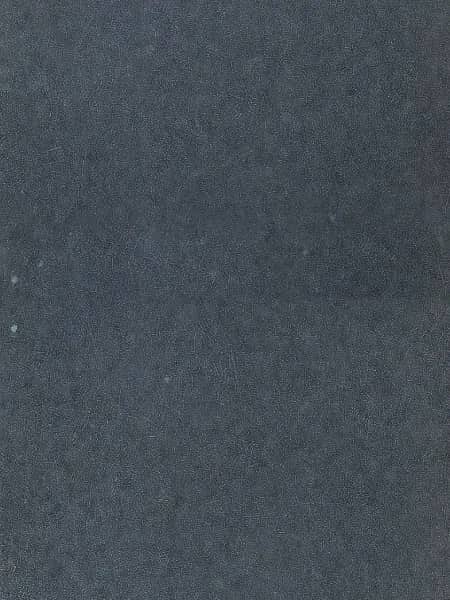
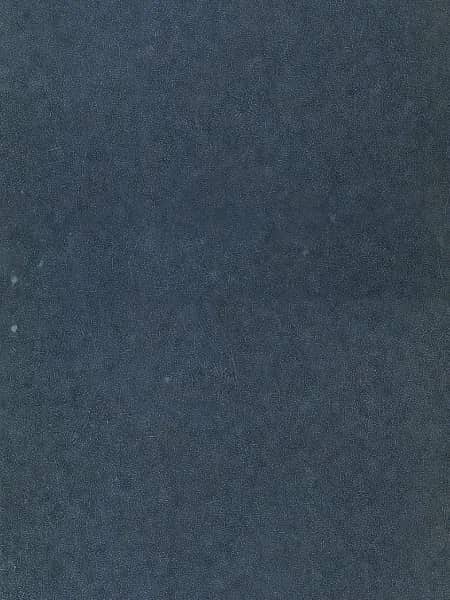
ClassicFactory treatment that reproduces the final patina from installation. Anthra-Zinc (deep anthracite), Quartz-Zinc (slate blue-grey), Pigmento (RAL colours). Ideal when a precise colour is required at handover.
DesignThe most prestigious facade metal. Changes from orange-red to chocolate brown and then to verdigris over 10-15 years. Service life exceeding 200 years on some historic buildings. Pre-oxidised and pre-aged copper also available.
PrestigeInstant verdigris without waiting 15 years for the natural patina. KME TECU Patina, Nordic Green. For exceptional projects where a century-old look is wanted from handover. The most exclusive facade material.
SignatureZinc and copper offer a journey through colour that no synthetic material can reproduce.
 Natural zinc
 Anthra-Zinc
 Quartz-Zinc
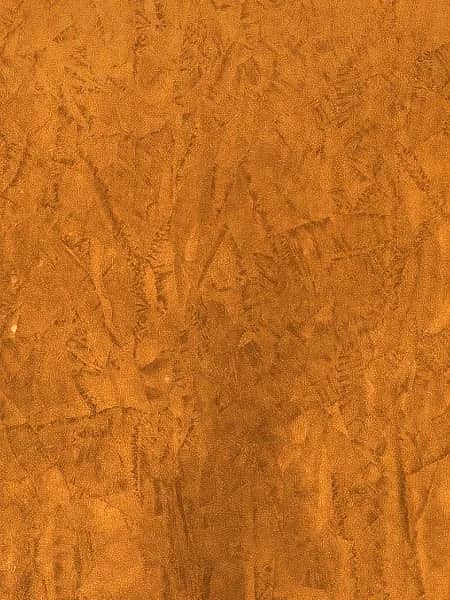 Copper
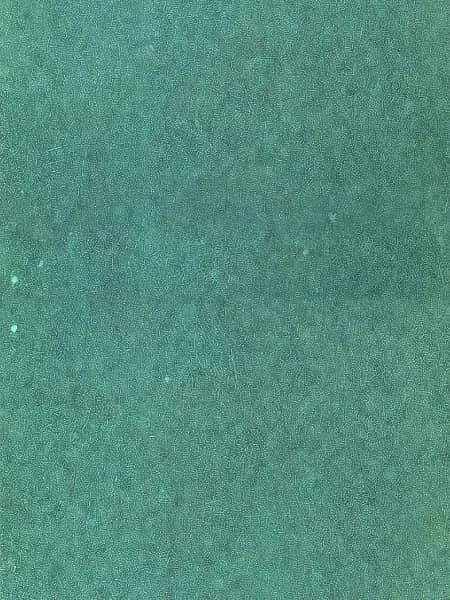 Verdigris
QUASART works with the benchmark manufacturers of premium facade metals.
VM Building Solutions’ benchmark brand. The most widely installed zinc in the world. Full range of pre-weathered finishes and facade systems — standing seam, cassettes, scales, shingles. In-house design office and technical support.
German manufacturer of premium titanium zinc. prePATINA range (blue-grey or graphite), artCOLOR (colour-coated) and GRANUM (textured basalt effect). Widely specified in Germany and the Benelux.
Global leader in architectural copper. The TECU range covers every stage of oxidation — from bright new copper to century-old verdigris. For exceptional projects where copper is the facade material.
Dutch manufacturer of rolled zinc, the only producer in the world offering 100% recycled zinc (Neo range). Strong environmental commitment, Cradle to Cradle certified. Nova range (light pre-weathered) and Noir (deep anthracite).
The traditional system. Continuous zinc strips, seamed with a seaming tool. Uniform appearance, perfect weathertightness. Ideal for simple volumes and clean-lined architecture. Seam height 25 or 32 mm.
Factory-formed panels, hung on clips over an aluminium subframe. Play of volumes, relief effects, mixed finishes. Well suited to commercial and institutional projects.
Profiles installed horizontally or vertically at regular spacing. Strong graphic effect that highlights the joint lines. Compatible with natural ventilation.
Individual scale-, diamond- or tile-shaped elements, each fixed by clipping. Craftsman finish, unique play of light. Reserved for exceptional architectural projects.
VMZINC Anthra-Zinc, Quartz-Zinc, Pigmento. Rheinzink prePATINA, artCOLOR. Final appearance from installation — ideal when there is no time to wait for the natural patina.
All systems are mounted on a ventilated subframe — 20-40 mm air gap. Thermal regulation, moisture removal, protection of the metal.
Zinc installation is a precision trade that requires specific expertise.
Mechanical seaming of the upstands with a seaming tool. Perfect weathertightness without soldering. The time-honoured craft of the zinc worker, adapted to contemporary facades.
Seaming tool · Seam · WeathertightLow-temperature soldered joints (tin) for complex junctions, corners and penetrations. Invisible finish, perfect continuity of the metal.
Tin · Junctions · InvisibleFactory-formed panels, hung on clips over aluminium T or L profiles. Free thermal movement. Individual panels can be replaced.
Factory-made · T subframe · RemovableZinc is easily curved cold. Tight radii possible (min. ~50 mm). Enables curved facades, window surrounds and sculptural volumes.
Cold-formed · R min. 50 mm · SculpturalEvery QUASART installation complies with the standards in force in Luxembourg and Europe.
French unified technical document (DTU) specific to zinc roofing. Pitches, seaming, expansion, junctions.
European standard defining the characteristics of rolled titanium zinc: chemical composition, mechanical properties, dimensional tolerances.
Specifications for zinc sheets, strips and accessories intended for roofing and cladding. Basis for CE marking.
Zinc is classified A1 — a non-combustible material. Can be used without restriction on high-rise buildings (IGH), buildings open to the public (ERP) and buildings subject to the strictest fire requirements.
AFNOR classification reference of DTU 40.41 (parts 1 and 2): installing zinc on roofs.
Zinc is 100% recyclable and makes a positive contribution to the RE 2020 carbon assessment. Its low weight (~5.6 kg/m²) reduces structural loads.
Villas and architect-designed houses. Standing seam in Anthra-Zinc or Quartz-Zinc for a clean contemporary look. Zinc enhances simple volumes and flat roofs.
Museums, libraries, schools, town halls. Copper and pre-weathered zinc bring a prestige that synthetic materials cannot match. Class A1.
Zinc cassettes or recessed-joint planks on residential developments. Material combinations with timber or concrete. Service life of 80-100 years, no maintenance.
Like-for-like replacement of old zinc roofs and cladding. Compliance with architectural constraints and the requirements of the ABF (Architectes des Bâtiments de France). Traditional standing seam.
Zinc does not degrade — it develops a patina. It is the only facade material that becomes more beautiful with time.QUASART — Material philosophy
Upload a photo and get a free technical diagnosis in 60 seconds: material, condition, signs of wear, recommendations. No sign-up required.
Start my diagnosisFrequently asked questions from architects and clients
A correctly installed zinc facade has a service life of 80 to 100 years, sometimes more. Zinc develops a protective patina (zinc carbonate) that seals and protects the metal without any additional treatment. It is one of the most durable cladding solutions in the world.
Natural zinc is supplied bright and develops its blue-grey patina within a few months. Pre-weathered zinc (VMZINC Anthra-Zinc, Quartz-Zinc) has its final appearance from installation. Both offer the same performance. The choice depends on whether you want the final look straight away or are prepared to accept the natural evolution.
Yes, but with precautions. Zinc must not be in direct contact with certain acidic timbers (oak, cedar) or with copper or untreated steel (galvanic corrosion). In rainscreen cladding, the air gap and the aluminium subframe prevent such contact.
The cost depends on complexity, the type of zinc (natural/pre-weathered) and the system (standing seam/cassettes/planks). Copper is more expensive than zinc. QUASART prepares a precise estimate after studying the project.
Yes. Zinc is classified A1 (non-combustible) under EN 13501-1 and meets the requirements for high-rise buildings and buildings open to the public without restriction. It is used on many institutional and commercial projects in Luxembourg and the Greater Region.
Yes, 100%. Zinc is one of the few building materials that is fully recyclable without loss of quality. The recycling chain is established in Europe. Its environmental profile is excellent — it contributes positively to the RE 2020 calculation.